Our Investments in Startups
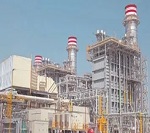
- Electric Power Generation.
Front page.
Logo:
GEEMName:
Mexican Electric Power GenerationPhrase:
Energy for your growth.Problem:
Current problems in power generation plants and the global energy market, with a particular focus on Mexico and Latin America, center on the fragility of the infrastructure, the intermittency of clean energy, and the volatility of prices, which generate blackouts and high instability.
The main challenges are detailed here, divided into categories:
- 1. Infrastructure and Network Problems.
- • Lack of investment in transmission and distribution: Many countries suffer from a chronic delay in modernizing their networks. In Mexico, years of underinvestment have led to demand exceeding capacity, causing blackouts, especially during peak demand periods.
- • Obsolescence and grid crisis: Electricity grids are on the verge of collapse in several regions, leading to prolonged power outages.
- • Industrial fragility: 91% of industrial parks in Mexico have reported electrical failures, affecting competitiveness.
- 2. Challenges of the Energy Transition and Renewables.
- • Intermittency of clean energy sources: Solar and wind power generation is not constant, requiring conventional backup power plants (gas, coal) to prevent blackouts when there is no sun or wind.
- • Lack of storage: Large-scale battery technology is not yet competitive enough or deployed to address intermittency.
- • Grid Congestion: The current infrastructure cannot absorb all the renewable energy generated, causing a limitation on the input of this energy into the grid.
- 3. Market and Price Problems.
- • Price volatility (Natural Gas): Dependence on gas for electricity generation causes price spikes, especially after geopolitical conflicts (e.g., Russia-Ukraine), which are reflected in final tariffs.
- • High initial costs: Although solar and wind power are cheap to operate, the cost of construction and connection is high.
- • Regulatory change and mistrust: Uncertainty about the rules of the private vs. public market (as in the case of CFE in Mexico) hinders new investments needed to meet demand.
- 4. Environmental and Generation Problems.
- • Fossil fuel dependence: Despite the transition, there is still a high dependence on fossil fuels, which emit CO2 and degrade the environment.
- • Impact of the drought: Hydroelectric power plants, crucial in Latin America, are affected by the lack of water, reducing clean energy generation capacity.
- Contexto en México (2024-2025):
- • Demand exceeds capacity: The manufacturing boom (nearshoring) has boosted electricity demand, exceeding the system's capacity, which has led to blackouts in states such as Querétaro, Nuevo León, and Mexico City.
- • Energy poverty: The number of households without stable access to energy is increasing, affecting millions of people.
Solution:
Current solutions in power generation plants and the energy market focus on decarbonization, flexibility, and the integration of intermittent renewable sources, driven by record growth in solar and wind capacity. Globally and in Mexico, the market is evolving toward hybrid systems, massive energy storage, and a greater role for the State in regulation, with projections for a greater share of clean energy in installed capacity by 2030–2039.
The main solutions for 2025-2026 are detailed here:
- 1. Generation and Modernization Technologies.
- • Rise of Combined Cycle and Renewables: The construction of Combined Cycle Power Plants (CCP) and photovoltaic power plants (PV) is prioritized to ensure system reliability, combining the efficiency of natural gas with clean energy.
- • Repowering and Efficiency: Modernization of existing power plants, including hydroelectric plants, to improve their performance and lifespan.
- • Next Generation Solar Panels: Implementation of perovskite panels, lighter, more flexible and efficient, capable of capturing more light.
- • Carbon Capture and Storage (BECCS): Development of bioenergy with carbon capture and storage to reduce the carbon footprint to almost zero in biomass plants.
- 2. Storage and Network Stability.
Storage is the key solution to the intermittency of renewables:
- • Large-Scale Batteries (BESS): Solar and wind power plants are increasingly being integrated with battery storage systems to manage demand and prevent blackouts.
- • Pumped Storage Hydroelectricity: Use of reversible pumped storage plants as large energy storage systems.
- • Urban Solutions: Incorporation of mass heat storage and BESS (Battery Energy Storage Systems) technologies in local networks.
- 3. Market and Regulatory Solutions (Focus on Mexico and LATAM).
- • Energy Reform and Sovereignty: The outlook in Mexico towards 2025-2030 implies a strengthening of CFE, seeking a 54% participation by the State and 46% by private entities.
- • National Content: Hiring requirements focused on 35% national content for new generation projects and up to 60% in transmission and distribution by 2030.
- • Power Balancing Market: An increase in the power market is observed due to the shortage and urgent need for new transmission capacity.
- • Regional Interconnection: Uruguay stands out as an example of interconnection, allowing the export of renewable surpluses to Brazil and optimizing prices.
- 4. Intelligence and Efficiency (Digitization).
- • AI in Energy Management: Use of artificial intelligence to predict demand and optimize the operation of power generation plants.
- • Demand Management: Implementation of smart grids to automatically disconnect non-critical loads and manage energy during peak demand.
This analysis is based on trends and reports from 2024-2025, projecting solutions for 2026.
Potential market size (TAM, SAM, SOM).
The power generation market is one of the largest and most critical infrastructure sectors worldwide, undergoing a rapid transformation towards renewable energy sources.
The following details the potential market analysis (TAM, SAM, SOM) and its relevance:
- 1. Potential Market Size (TAM, SAM, SOM).
- • TAM (Total Addressable Market): Represents the total value of energy generation (production, sales, and distribution). It is estimated at over USD 1.47 trillion in 2025 and is anticipated to experience steady growth driven by electricity demand, exceeding USD 2.76 trillion by 2035. Some broader estimates point to a TAM of renewable and conventional energy generation exceeding USD 2.38 trillion in 2025.
- • SAM (Serviceable Available Market): Refers to the market segment that can be served by new technologies and infrastructure expansion. A key component is distributed generation, valued at over USD 389 billion in 2025, with rapid growth (CAGR >12%) driven by solar energy, photovoltaic panels, and storage systems near the point of consumption.
- • SOM (Serviceable Obtainable Market): This is the market share that specific actors (investors, developers) can capture in the short term. This includes renewable energy projects (wind and solar, which represent almost 80% of capacity growth) and grid modernization projects that governments and private companies (for example, with investments of US$23.4 billion planned in Mexico from 2024 to 2030) seek to complete.
- 2. Relevance and Key Trends.
The relevance of this sector is strategic for the following reasons:
- • Growth Driven by Electrification: Global electricity demand will double by 2050, driven by digitalization, data centers, AI, and electric vehicles.
- • Energy Transition and Renewables: Global renewable capacity will double between 2024 and 2030, with solar photovoltaic energy leading the way in new installations.
- • Energy Security and Reliability: Governments are prioritizing the diversification of their energy sources to ensure grid stability, promoting energy storage and hybrid technologies.
- • Relevance in Mexico (2024-2030): The national strategy seeks to increase installed capacity by 13,000 MW, with an emphasis on strengthening transmission and meeting clean energy targets (at least 35% by 2024).
Conclusion: The market is robust and growing, with a clear trend where clean energy generation and distributed generation (SAM) offer the fastest growth opportunities within the total energy market (TAM).
Market Opportunity:
The power generation market in Mexico offers key opportunities in renewable energy projects (solar/wind), energy storage, and participation in the Wholesale Electricity Market (MEM), driven by industrial demand and decarbonization goals. Despite the strengthening of the CFE (Federal Electricity Commission), niches for private companies persist in distributed generation, qualified supply, and medium-scale projects.
- Key Market Opportunities.
- • Renewable Projects and Storage: High demand for green energy drives investment in solar and wind power plants, requiring energy storage systems to mitigate intermittency.
- • Distributed Generation and Self-Consumption: Opportunities in generation systems up to 0.7 MW, exempt from complex permits, ideal for the commercial and industrial sector.
- • Participation in the MEM: Private generators can sell energy directly to large customers or through marketers, offering competitive rates.
- • Infrastructure Modernization: The need to improve the national network paves the way for investment in smart grid technologies.
- Sector Overview.
- • Role of CFE: CFE is expected to maintain a significant stake (around 63-70%).
- • Competition: The entry of new private actors fosters competition, which is expected to result in more efficient prices.
- • Related Services: In addition to energy, generators can offer power and auxiliary services for system stability.
Business Model:
The business model of power generation plants is based on the production and sale of energy on a large or distributed scale, generating revenue through sales in the Wholesale Electricity Market (MEM), long-term contracts (PPAs), and ancillary services such as capacity backup. In Mexico, the prevalence of the CFE stands out, which seeks to operate 54% of generation, while the private sector operates the remaining 46% under competitive schemes, a transition to clean energy, and distributed generation.
- Key Components of the Business Model:
- • Traditional and Renewable Generation: Power plants (combined cycle, hydroelectric, wind, solar) generate energy and inject it into the grid, selling it at the local marginal price.
- • Distributed Generation (DG): Production close to the point of consumption (residential/industrial solar panels) that reduces transmission costs and allows consumers to sell surpluses.
- • Sales Models (Consideration in Mexico):
- .......o Net Metering: You generate what you consume and the surplus is saved as a credit balance.
- .......o Net Billing: Energy is consumed from the grid and the surplus generated is sold at the Local Marginal Price (LMP).
- .......o Total Sale: All the energy produced is injected and sold to the grid.
- • New Business Models:
- .......o "Product as a Service": An approach where customers pay for the use/service of energy, not for ownership of the equipment.
- .......o Storage and Microgrids: Backup systems that increase resilience and allow for the management of the intermittency of renewables.
- • Market Structure (Mexico): CFE maintains its dominant position in generation and operation, with a focus on energy sovereignty and infrastructure upgrades to ensure the reliability of the system.
Models are evolving towards decarbonization, decentralization, and digitalization, driven by storage technologies and smart energy management.
Traction:
The intersection between Power Generation Plants and Digital Marketing is marked by the digital transformation of the energy sector, where technology not only optimizes production, but also redefines how energy is marketed and managed.
- 1. Power Generation Plants: Current Context.
- • Types of Generation: Power plants use renewable sources (solar, wind, hydroelectric, geothermal) and non-renewable sources (coal, gas, oil) to transform primary energy into electricity.
- • Distributed Generation: There is a boom in small installations (such as solar panels) at the point of consumption, allowing users to generate their own energy and sell surpluses, creating new business opportunities.
- • Virtual Power Plants (VPPs): These are decentralized networks that digitally interconnect multiple sources of generation, storage, and consumers, optimizing distribution through software.
- • Situation in Mexico: The Federal Electricity Commission (CFE) seeks to strengthen national generation with a mixed (public-private) approach and infrastructure projects.
- 2. Digital Marketing in the Energy Sector.
Digital marketing in this industry focuses on marketing, branding, and customer relationship management in a highly competitive environment.
- • Reach and Acquisition: It allows reaching a wider and more specific audience than traditional strategies.
- • Inbound Marketing: Strategies aimed at attracting active customers seeking sustainable energy solutions.
- • Smart Marketing: Using data to sell energy to end users more efficiently.
- • Brand Positioning: Essential for marketing companies operating in liberalized markets.
- 3. Digitalization as a Bridge (The Role of Technology).
Digital transformation unites generation with marketing through key technologies:
- • Internet of Things (IoT) and Smart Grids: They allow monitoring and management of the grid in real time, facilitating the integration of renewable energy sources.
- • Big Data and Artificial Intelligence (AI): They analyze consumption to optimize production at power plants and predict demand.
- • Blockchain: Used for peer-to-peer (P2P) energy trading, enabling transparent transactions.
- 4. Challenges and Trends.
- • Innovation in Business Models: Digitalization requires electric companies to adapt in order to remain competitive.
- • Sustainability: Digital marketing highlights the adoption of clean energy (30% target in Mexico by 2021).
- • "Uberization" of the Electricity Business: Technological platforms are changing the way we interact with the electricity market, similar to disruptive models in other industries.
In summary, power plants are no longer just physical infrastructure, but smart nodes managed digitally, where digital marketing is crucial to communicate value, manage distributed generation and trade energy in a decentralized market.
Marketing and Sales:
Power generation plants must adopt B2B marketing strategies focused on sustainability, digitalization, and energy efficiency to attract industrial and commercial clients. Key strategies include content marketing, customized energy audits, and selling clean energy solutions. Building a trustworthy brand and using data to offer tailored solutions are essential.
- Marketing and Sales Strategies for Electric Power Generation.
- • Content Marketing and SEO: Create a corporate blog that educates about efficiency, sustainability, and the benefits of renewable energy to position themselves as thought leaders.
- • Energy Audits as a Lead Magnet: Offering free or customized energy audits is an effective technique for collecting data, understanding customer needs, and demonstrating value directly.
- • Values-Based Marketing (Sustainability): Positioning the brand by highlighting sustainable energy, commitment to "Net Zero" and transparency, which is highly valued by modern customers.
- • Consultative Selling (B2B): Utilize technical sales teams that propose customized solutions, such as microgrids, storage, or PPAs (Power Purchase Agreements) instead of just selling raw energy.
- • Use of Data and CRM: Implement CRM systems to track interactions, segment potential customers, and personalize sales proposals, maximizing the return on investment (ROI) in marketing.
- • Events and Networking: Participate in energy fairs, sustainability forums and industry events to establish direct contacts with decision-makers.
- • Social Media Strategies: Use LinkedIn to build relationships with facility managers, purchasing and sustainability managers, sharing success stories.
- Loyalty and Growth Strategies.
- • Loyalty Programs: Create incentive programs for current customers who refer new customers.
- • Email Marketing: Maintain contact with current and potential customers through newsletters that offer information on new technologies or improvements in energy efficiency.
- • Development of Distributed Generation: Focusing on distributed generation, enabling customers to become proconsumers with solar panels or storage systems.
Competence:
Power plants are key facilities for society, whose main competitive advantage lies in their ability to transform primary resources (renewable or fossil fuels) into electrical energy efficiently, safely, and increasingly sustainably. Their superiority lies in their adaptability to demand and operational efficiency.
Here are the unique points and competitive advantages according to the type of technology:
- 1. Differential Advantages according to Type of Power Plant.
- • Renewable Power Plants (Solar, Wind, Hydroelectric):
- ......o Sustainability and Operating Costs: They utilize inexhaustible resources (sun, wind, water), resulting in lower long-term operating costs and zero carbon emissions.
- ......o Energy Independence: They reduce dependence on imported fossil fuels.
- ......o Cogeneration: Avoids losses in transmission and distribution, requiring less fuel.
- • Conventional Power Plants (Thermal/Fossil/Nuclear):
- ......o Stability and Firmness (Base Load): Unlike intermittent renewables, these plants offer a constant and reliable energy supply 24/7.
- ......o Rapid Response (Hydro/Gas): Some plants can start up and reach maximum power in a short time (minutes), vital for peak demand.
- 2. What makes them Unique and Superior (Differential Advantage).
- • Energy Continuity and Reliability: Ability to maintain the electricity supply under constant demand, being indispensable for industry and critical services.
- • Technical Efficiency (Smart Generation): Implementation of digital technologies (IoT, AI) that allow for predicting failures, optimizing maintenance, and maximizing production, increasing its performance.
- • Energy Sustainability: The ability to operate with low carbon emissions, which improves the corporate image and complies with environmental regulations.
- 3. Market Competition.
Competition between power plants is defined by the "dispatch" price (which plant sells first), where those with lower production costs win:
- • Renewables vs. Fossils: Renewables (solar/wind) have the advantage of zero fuel costs, making them increasingly profitable.
- • Flexibility: More flexible plants (batteries, gas) are superior in markets where demand fluctuates rapidly.
- • Distributed/Onsite Generation: Smaller, local plants that generate energy at the point of consumption, eliminating transportation costs.
Note: Current trends indicate that clean energy is more cost-effective and sustainable in the long term, shifting the competitive advantage from "baseload capacity" to "sustainability and efficiency".
Team:
- Founder and CEO: I have 28 years of experience in Information Technology (IT), Robotics and Automation, working on projects for the world's leading companies.
- Investor provides: specialized consulting services in processes, procedures, and administration.
- Investors provide: project development for ERP, MES, SCADAs, DCS, PLCs, Instrumentation and Sensors (Hardware and Software).
- Investors provide: software for auditing computer systems and business administration (Hardware and Software) with a Global Supervisory Syste
- Investors provide: specialized human resources for our industrial sector.
- Investor provides: the supply of software for websites, cybersecurity, mobile applications, etc.
- I am an expert in: automated manufacturing, in many sectors and specialties in various industries, machines, systems and processes.
- We have a career plan for: our staff, with constant training in their area of responsibility in: processes, procedures, and machines, with constant growth.
Finances and Projections:
- Units sold annually: 500
- Price per unit: USD $ 581.40 M
- Variable cost per unit (Production and Sales): USD $ 232.56 M
- Fixed Costs (Administration, Production and Sales): USD $ 58.14 M
- Start-up costs (equipment, marketing, legal, etc.): USD $ 872.09 M
- Required working capital (inventory, payments): USD $ 116.28 M
- Estimated annual revenue: USD $ 290.70 mM
- Estimated annual variable costs: USD $ 116.28 mM
- Estimated annual contribution margin: USD $ 174.36 mM
- Contribution margin per unit: USD $ 348.84 M
- Annual equilibrium amount: 0.16667
- Equilibrium ratio to expected quantities: 0.000333
- Total initial funds required: USD $ 988.37 M
- Units to cover initial funds: 2.83
- Equilibrium amount with initial funds: 3
- The repayment period for startup funds: 0.005668
- Annual return on initial investment: 176.41
- Ratio of price to variable cost: 0.4
- Contribution margin ratio: .5998
- ANNUAL GROWTH OF 25%.
Proposal:
The goal is to gather USD $ 5.81 mM- We already have the following available on credit:
- Consultancy: USD $ 23.26 M
- ERP System: USD $ 34.88 M
- MES System: USD $ 23.26 M
- DCS System: USD $ 17.44 M
- SCADA System: USD $ 17.44 M
- PLC System: USD $ 17.44 M
- Intrumentation System: USD $ 17.44 M
- Robotic assembly lines:(5) USD $ 186.05 M
- Global Supervisory System: USD $ 232.56 M
- Pendings:
- Industrial engineering design: USD $ 17.44 M
- Electric power generation system: USD $ 17.44 M
- Purified water system: USD $ 17.44 M
- Steam production system: USD $ 17.44 M
- Electrical system: USD $ 17.44 M
- Ultra-clean air system: USD $ 17.44 M
- Plant layout design: USD $ 17.44 M
- Machine supply: USD $ 174.42 M
- Electrical system supply: USD $ 17.44 M
- Land purchase: USD $ 17.44 M
- Structural design of an industrial building: USD $ 17.44 M
- Industrial building construction: USD $ 17.44 M
- The capital received from investors will be used to cover the remaining points.
- The invested capital will be paid out within 10 years, 10 times the amount contributed. For example, if USD $1,000.00 is received in April 2026, then USD $10,000.00 will be paid out in April 2036.

- If you are not yet convinced about purchasing our product, service, or course, we can conduct a technical assessment at your facility to provide greater clarity and precision regarding the scope of the report we deliver. This assessment costs USD $60,000.00 and will be carried out over two weeks at your location. This fee will be refunded upon purchase of the product, service, or course; otherwise, it will not apply.
- Technical Assessments: Service Description.
- We offer these options to clarify the technologies.
- Courses for:
- Executives.
- Beginners.
To purchase, use the QR code and send proof of payment via WhatsApp to the contact numbers provided.
- * = m = Thousands USD
- ** = M = Millions USD
- *** = mM = Thousands of Millions USD