Our Investments in Startups
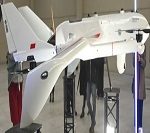
- Drone Manufacturing.
Front page.
Logo:
DMName:
Mexican DronesPhrase:
Mobility at your fingertips, total supply.Problem:
The drone industry faces a "growth crisis" marked by dependence on Chinese components (especially sensitive components for military use), slow bureaucratic regulations that increase operating costs, and a saturated service market that affects profitability. Added to this are technical challenges such as limited battery life and security risks stemming from illicit use.
- Main Problems in Drone Manufacturing.
- • Dependence on Chinese Components: Most Western companies, including military ones, rely on Chinese components, which poses counterintelligence risks.
- • Supply Restrictions: Tariffs and political tensions, such as those between the US and China, have complicated the supply of essential parts such as motor magnets.
- • Technical Challenges: Short battery life and limited payload capacity remain the main technical challenges for mass adoption.
- • High Production Cost: The development of Western alternatives (Made in USA/Europe) requires massive investments in R&D to reduce foreign dependence.
- Current Problems in the Drone Market.
- • Bureaucracy and Regulation: Long waiting times for approvals (sometimes exceeding one month) and regulatory compliance costs limit operations.
- • Profitability in Services: Despite growth, many drone service companies are experiencing financial difficulties, with 75% reporting losses or very tight margins.
- • High Operating Costs (BVLOS): Beyond Visual Line of Sight operations involve high maintenance and personnel costs, often higher than traditional methods.
- • Security and Illicit Use: The use of drones to violate privacy, conduct industrial espionage, or carry out physical attacks represents a growing risk.
- • Saturation and Fragmentation: The market is highly fragmented, with strong competition and a need for consolidation.
- Impact on Geopolitics and Security.
- • Drones in War: They have become an essential component, but the high costs of shooting them down (interceptors) have created an urgency to find cheaper defense solutions.
- • Usage Restrictions: Countries like the US are moving towards banning drones manufactured in China for national security reasons.
Solution:
The drone market in 2025-2026 is experiencing rapid evolution, driven by AI-based automation, 5G integration, and the growth of last-mile logistics. The commercial market is estimated to reach a significant value, exceeding $17 billion in 2025, with a high compound annual growth rate (CAGR) through 2032.
- Current Solutions in Drone Manufacturing.
- Modern manufacturing focuses on efficiency, durability, and autonomy:
- • 3D Printing and Composite Materials: Additive manufacturing allows the creation of lightweight structures, such as carbon fiber drones, improving energy efficiency and durability in extreme conditions.
- • Edge AI: Current drones process data in real time for autonomous decision-making, obstacle avoidance, and navigation without human intervention.
- • Battery and Energy Improvements: Fuel cells, solar power, and higher-density battery technology are being adopted to extend flight times.
- • Bionic Systems: Exploring nature-inspired designs to improve aerodynamics.
- Drone Market Trends 2025-2026.
- • Autonomy and BVLOS Operations: Regulations are evolving to allow flights beyond visual line of sight (BVLOS), boosting logistics and automated surveillance.
- • Drones in Precision Agriculture: Used to assess crop health, optimize spraying, and forecast yields.
- • Infrastructure Inspection: High-resolution, cost-effective solutions for energy, transportation, and utilities.
- • Security and Defense: Growing demand for combat and surveillance drones with stealth technologies.
- • Drone Services (DaaS): Companies prefer to contract drone services instead of buying them, delegating the operation and data processing.
- Main Players and Market.
DJI maintains a dominant position, but manufacturers like Skydio (focused on AI) and military security companies (AeroVironment, ideaForge) are gaining ground, especially with the demand for local and secure solutions. The military drone sector is projected to grow from $18.2 billion in 2025 to $20.8 billion in 2026.
Potential market size (TAM, SAM, SOM):
The drone manufacturing market is experiencing rapid expansion, driven by commercial and industrial adoption, evolving from an experimental technology to a critical tool in various sectors. The market analysis below details the TAM, SAM, and SOM models with projections to 2026-2036.
- 1. Potential Market Size (TAM, SAM, SOM).
Drone manufacturing and the associated ecosystem (services, software) represent a high-growth opportunity.
- • TAM (Total Addressable Market): The global drone market, encompassing commercial, consumer, and defense platforms and their manufacturing components, is estimated to exceed $140-150 billion by 2036. By 2025-2026, the value is already above $40-80 billion, depending on whether only hardware or value-added services are included.
- • SAM (Serviceable Available Market): The commercial and inspection drone sector (construction, agriculture, energy, logistics) is the most dynamic SAM segment. The commercial drone market is projected to grow to $54.64 billion by 2030. Another key SAM segment is anti-drone systems, which is expected to reach $27.98 billion by 2032.
- • SOM (Serviceable Obtainable Market): The achievable market share for a specific manufacturing company depends on its niche. However, in the commercial drone market, autonomous systems, drone manufacturing for energy monitoring, and precision agriculture (such as equipment from DJI, Autel, and Skydio) represent the majority of the achievable market share in the short term.
- 2. Key Trends and Growth.
- • Growth Rate (CAGR): The commercial unmanned aerial vehicle (UAV) market is growing at a compound annual growth rate of over 10-16%.
- • Units: In 2026, 1.2 million shipments of small commercial unmanned aerial vehicles (sUAS) are expected, tripling the figures from 2022.
- • Shift in Focus: Manufacturing is migrating from consumer drones to enterprise and defense applications, with a high value in software and data analytics.
- 3. Relevance and Industrial Applications.
Drone manufacturing is crucial due to its impact on automation and operational efficiency:
- • Inspection and Infrastructure: Mapping, construction and supervision of critical infrastructure.
- • Precision Agriculture: Crop monitoring and spraying.
- • Security and Defense: Surveillance and counter-drone systems (UAS).
- • Logistics and Shipping: Autonomous delivery of medical and commercial packages.
- 4. Main Manufacturers (Positioning in SOM).
The commercial market is led by DJI, followed by players such as Autel Robotics, Skydio, Parrot, and customized or home-built systems, which represent a significant portion of the US commercial market (approximately 7.9% in 2025).
Market Opportunity:
Drone manufacturing is a highly profitable and rapidly expanding sector, projected to exceed $40 billion. The main market opportunities are focused on commercial applications, including precision agriculture, infrastructure inspection (energy, transportation), and last-mile logistics. Sectors such as geomatics, 3D mapping, and public safety offer significant growth.
- Main Market Opportunities in Drone Manufacturing:
- • Precision Agriculture: Development of drones for spraying, multispectral analysis and crop monitoring, optimizing pesticides and fertilizers.
- • Industrial Inspection and Monitoring: Manufacturing aircraft for the inspection of critical infrastructure (bridges, power lines, wind farms), aging infrastructure and security, reducing human risks and costs.
- • Logistics and Delivery (Last Mile): High demand for drones for transporting goods and medical supplies, especially with the evolution of favorable regulatory frameworks.
- Geomatics and Topography: Drones equipped with LiDAR sensors and high-resolution cameras for mapping, cadastral surveying and construction, with strong growth in Latin America.
- • Audiovisual and Security Services: Creation of drones for technical photography/video, cleaning of facades and emergency response areas.
- Growth and Profitability Factors:
- • Technological innovation: AI, automation and advanced sensors increase efficiency and versatility.
- • Profitability: There is high demand, especially in niche markets, which allows new companies to make a profit.
- • Regional Expansion: Latin America (led by Brazil, Mexico and Chile) shows rapid adoption in geomatics.
The commercial drone market, driven by adoption in key sectors, continues to grow rapidly,highlighting high-value opportunities such as monitoring and MRO (maintenance, repair and operations) services.
Business Model:
Drone manufacturing is a high-tech industry with great potential, requiring significant initial investments ($50,000 - $200,000+ USD) in 3D technology, certifications, and materials. The profitable business model today focuses on industrial niches (agriculture, inspection, security) or specialized services (Drones as a Service - DaaS), narrowing the focus to reduce competition.
This video explains how you can start a profitable drone business:
- Business Model: Manufacturing and Sale of Drones.
- • Niche Focus: Instead of competing with giants like DJI, specializing in agricultural spraying drones, infrastructure inspection, or rescue offers greater margin.
- • Custom Manufacturing (B2B): Direct sales to companies, agricultural cooperatives or governments, offering equipment customization.
- • Sale of Components: Specialized manufacturing of batteries, sensors, carbon fiber frames or control systems.
- Supplementary Income Models.
- • DaaS (Drones as a Service): Providing the drone, operator and maintenance under a subscription, eliminating the ownership burden for the customer.
- • After-sales services: Maintenance, repair and sale of spare parts, essential for industrial fleets.
- • Training and Certification: Training of professional pilots to operate the manufactured equipment.
- Keys to Success.
- 1. Certifications: Strict compliance with local and international aeronautical standards (e.g., FAA, EASA).
- 2. Technology and Software: Integrate thermal cameras, LiDAR sensors and artificial intelligence systems for data processing.
- 3. Versatility of Applications: Precision agriculture, photogrammetry, facade inspection or security.
- 4. Focus on Data: The real value is the information collected by the drone (3D images, thermal maps) and not just the machine.
- Initial and Operating Costs.
- • Investment in R&D: Design, prototyping and 3D printing of components.
- • Certifications and Regulations: Legal and technical expenses to comply with aviation legislation.
- Raw Materials: Engines, flight controllers, cameras, structural materials.
Traction:
Drone manufacturing and digital marketing with these aircraft represent a profitable business opportunity in 2026, with high growth potential in sectors such as audiovisual, technical inspection, and advertising. The combination of creating custom (or optimized) hardware with digital strategies allows not only capturing stunning images but also marketing specialized services.
- 1. Drone Manufacturing (Hardware and Customization).
- • Manufacturing Niches: The trend focuses on drones for agriculture, inspection, deliveries and security.
- • Manufacturing Process: Includes design, 3D printing (sintering), assembly of electronic components, machining of parts (threaded holes) and assembly.
- • Hybrid Drones: ZIYAN Tech has introduced the F15 Bitul, a vertical takeoff and landing (VTOL) drone for critical missions.
- • Manufacturing in Mexico: There is great potential for drone manufacturing, fostering local technological development.
- 2. Digital Marketing with Drones (Applications and Services).
- • Audiovisual Services: High-impact aerial video and photography recording for advertising, real estate, tourism, and events.
- • 360 Tours: Creation of spherical virtual tours, highly valued in the real estate sector for the sale of land.
- • Aerial Advertising (Drone Marketing): Use of drones for choreographed light shows (aerial flash mobs) to promote products.
- • Inspection and Cleaning: Technical services such as photogrammetry, thermal inspection and vertical cleaning with drones, which replace human scaffolding.
- 3. Business Traction and Marketing.
- • Digital Strategy: It is essential to have a professional website and use social networks such as Instagram, Facebook and YouTube to showcase your portfolio.
- • Diversification and Specialization: Increased profitability through specialization (e.g., precision agriculture or technical inspection).
- • Amortization: Investment in drones for audiovisual purposes can be amortized in one year, while those for technical cleaning can be amortized in six months.
- • Regulations: It is crucial to operate under the technical aviation permits and regulations in force in the region.
- Market Opportunities (2025-2026).
- • Profitability: A drone business can be very lucrative, with significant potential income in technical and aerial cleaning services.
- • Trends: The future is heading towards automation, with drones capable of performing complex missions without direct human intervention.
Marketing and Sales:
Drone manufacturing is a profitable business with high potential in agriculture, defense, logistics, and the audiovisual sector. The key strategy includes specializing in niche markets, offering customized solutions, and ensuring legal compliance (permits) to build trust. Effective marketing relies on showcasing high-impact visual content (before/after videos) on social media (Instagram/TikTok), local SEO, and networking at specialized trade shows.
This video explains the importance of focusing on the solution the drone offers, not just the drone itself:
- Manufacturing and Differentiation Strategy:
- • Specialization: Don't try to do everything. Focus on precision agriculture, technical inspections, security, or film production.
- • Innovation: Develop drones with specific technical advantages (greater autonomy, special sensors, lightweight design) to stand out in the market.
- • Legal Compliance: Ensuring that drones comply with all local regulations to offer safety and credibility to customers.
- Marketing Strategy (Attracting Customers):
- • Impactful Visual Content: Use platforms like Instagram, TikTok, and YouTube to showcase stunning aerial shots and drone results.
- • Local SEO and Website: Create a website optimized for searches like "drone manufacturing in [your city]".
- • Storytelling (Success Stories): Share "before and after" videos of inspections, 3D mappings, or events, demonstrating the product's efficiency.
- • Niche Marketing: Collaborate with architects, civil engineers, or agronomists, since manufacturing must respond to the specific needs of these sectors.
- Sales Strategy (Closing Deals):
- • Live Demonstrations: Organize field days so that customers can see the operation and efficiency of the drone.
- • Email Direct Marketing: Use databases to send personalized success stories to potential companies.
- • Networking: Attending trade fairs, conferences, and meetups related to technology, agriculture, and construction to establish direct relationships.
- • Consultative Selling: Selling the solution to the customer's problem (saving time/money), instead of just selling the device.
Profitability depends on specialization, compliance with current regulations, and a marketing strategy focused on the technical and visual value of the product.
Competence:
In a market dominated by mass production, the manufacture of unique and superior drones focuses on technological specialization, durability, and adaptation to specific needs that generic leaders (like DJI) do not cover.
The elements of competitive advantage and the competitive landscape are detailed here:
- 1. Differential Advantage (What makes us unique and superior).
- • Industrial Specialization / "Mission Drones": While the competition focuses on consumer/audiovisual drones, our superiority lies in drones designed for specific tasks, such as precision agriculture (application of agrochemicals), inspection of critical infrastructure, mining mapping, or perimeter security.
- • Composite Materials and Durability: Use of high-modulus carbon fiber and aviation materials that guarantee a superior lifespan and resistance to extreme weather conditions, overcoming the fragility of conventional plastic drones.
- • Integration of AI and Computer Vision: Development of proprietary software that allows for total autonomy, intelligent obstacle avoidance, and the ability to perform "vertical cleaning" or thermal scanning without human intervention, increasing safety.
- • Local Technical Support and Customization: We offer fast technical service, affordable spare parts, and the ability to customize the payload (multispectral cameras, LiDAR sensors, parachutes) according to the customer's needs, something difficult to obtain from major brands.
- • Data Security (Data Sovereignty): Guarantee that captured data is not sent to foreign servers, a crucial factor for defense, government, and industry.
- 2. Competition in the Drone Market.
The competitive landscape is fierce, with a clear leader and niche alternatives:
- • DJI (Absolute Leader): Controls more than 70% of the global market and more than 90% in consumer and commercial segments, standing out for its advanced technology, excellent value for money and ease of use.
- • Autel Robotics: Main alternative to DJI, recognized for high build quality (8K cameras) and ease of use, being a strong competitor in high-end drones.
- • Skydio / AeroVironment / Teal Drones: Strong competitors in the United States, focused on advanced AI, computer vision, and defense/surveillance solutions, competing directly for data sovereignty.
- • Digital Eagle: A technology innovator that sets high standards in the industry.
- • Manufacturers of Agricultural Drones (e.g., DJI Agras T50 vs. Flycar): Specialized competition where the difference lies in payload capacity, battery life, and safety parachute.
- Strategy summary: Superiority is achieved by offering a robust, specialized, safe product with local support, closing the gap left by mass-market drones.
Team:
- Founder and CEO: I have 28 years of experience in Information Technology (IT), Robotics and Automation, working on projects for the most important companies worldwide.
- Investor provides: specialized consulting services in processes, procedures, and administration.
- Investors provide: project development for ERP, MES, SCADAs, DCS, PLCs, Instrumentation and Sensors (Hardware and Software).
- Investors provide: software for auditing computer systems and business administration (Hardware and Software) with a Global Supervisory System.
- Investors provide: specialized human resources for our industrial sector.
- Investor provides: the supply of software for websites, cybersecurity, mobile applications, etc.
- I am an expert in: automated manufacturing, in many sectors and specialties in various industries, machines, systems and processes.
- We have a career plan for our staff, with constant training in their area of responsibility in: processes, procedures, and machines, with constant growth.
Finances and Projections:
- Units sold annually: 10 M
- Price per unit: USD $ 23.26 m
- Variable cost per unit (Production and Sales): USD $ 9.30 m
- Fixed Costs (Administration, Production and Sales): USD $ 58.14 M
- Start-up costs (equipment, marketing, legal, etc.): USD $ 872.09 M
- Required working capital (inventory, payments): USD $ 116.28 M
- Estimated annual revenue: USD $ 232.56 mM
- Estimated annual variable costs: USD $ 93.02 mM
- Estimated annual contribution margin: USD $ 139.42 mM
- Contribution margin per unit: USD $ 13.95 m
- Annual equilibrium amount: 4.17 m
- Equilibrium ratio to expected quantities: 0.0000416
- Total initial funds required: USD $ 988.37 M
- Units to cover initial funds: 71 m
- Equilibrium amount with initial funds: 75 m
- The repayment period for startup funds: 0.007086
- Annual return on initial investment: 141.12
- Ratio of price to variable cost: 0.4
- Contribution margin ratio: .59975
- ANNUAL GROWTH OF 25%.
Proposal:
The goal is to gather USD $ 5.81 mM- We already have the following available on credit:
- Consultancy: USD $ 23.26 M
- ERP System: USD $ 34.88 M
- MES System: USD $ 23.26 M
- DCS System: USD $ 17.44 M
- SCADA System: USD $ 17.44 M
- PLC System: USD $ 17.44 M
- Intrumentation System: USD $ 17.44 M
- Robotic assembly lines:(5) USD $ 186.05 M
- Global Supervisory System: USD $ 232.56 M
- Pendings:
- Industrial engineering design: USD $ 17.44 M
- Electric power generation system: USD $ 17.44 M
- Purified water system: USD $ 17.44 M
- Steam production system: USD $ 17.44 M
- Electrical system: USD $ 17.44 M
- Ultra-clean air system: USD $ 17.44 M
- Plant layout design: USD $ 17.44 M
- Machine supply: USD $ 174.42 M
- Electrical system supply: USD $ 17.44 M
- Land purchase: USD $ 17.44 M
- Structural design of an industrial building: USD $ 17.44 M
- Industrial building construction: USD $ 17.44 M
- The capital received from investors will be used for the missing points.
- The invested capital will be paid back in 10 years, 10 times the amount invested. For example, if USD $1,000.00 is received in April 2026, then USD $10,000.00 will be paid back in April 2036.

- If you are not yet convinced about purchasing our product, service, or course, we can conduct a technical assessment at your facility to provide greater clarity and precision regarding the scope of the report we deliver. This assessment costs USD $60,000.00 and will be carried out over two weeks at your location. This fee will be refunded upon purchase of the product, service, or course; otherwise, it will not apply.
- Technical Assessments: Service Description.
- We offer these options to clarify the technologies.
- Courses for:
- Executives.
- Beginners.
To purchase, use the QR code and send proof of payment via WhatsApp to the contact numbers provided.
- * = m = Thousands USD
- ** = M = Millions USD
- *** = mM = Thousands of Millions USD